
Do VKTRY Insoles Actually Work? We Tested Them

You have probably heard about VKTRY insoles and wondered: do VKTRY insoles work, or is this just another overhyped product? We break down the most talked-about features, benefits, pros, and cons of VTKRY insoles in this full guide.
The answer matters because the wrong insole wastes your money and can make things worse. We tested VKTRY carbon fiber insoles across multiple shoes, activities, and wear periods to give you a straight answer. Here is what actually happened.
Do VKTRY Insoles Actually Work?
VKTRY insoles work for a specific type of athlete. The rigid carbon fiber baseplate stores energy at landing and returns it at push-off. For runners, football players, and athletes playing basketball who want more power and speed from the ground up, that energy return is real and noticeable.
But most people asking this question are not elite athletes. They are runners with shin splints, people with flat feet, or anyone who needs more support and cushioning for daily wear. For that group, VKTRY's rigid design creates more problems than it solves.
What Are VKTRY Carbon Fiber Insoles Designed to Do?
VKTRY carbon fiber insoles are built around a patented, multi-layered carbon fiber baseplate. According to VKTRY co-founder Matt Arciuolo, the plate behaves like a spring under the foot. It bends at landing, provides good arch support and heel stability through midstance, then snaps back at push-off to return energy through the legs.
This rigid carbon plate mimics the hinge action used in elite running footwear. Compared to other insoles made from foam or gel, the carbon fiber construction is stiffer, lighter, and more reactive underfoot.
How Does VKTRY Gold Differ from Standard VKTRY Carbon Fiber Models?
VKTRY uses a proprietary algorithm to select the right flex level per pair, based on body weight, shoe size, and sport type. VKTRY Gold is the premium tier, designed for elite athletes who need maximum energy return and protection. Standard VKTRY carbon fiber models target a broader range of sports users.
Both models fit into running shoes, basketball shoes, football cleats, and other athletic shoes without trimming. VKTRY recommends removing the original insoles first to make room for the carbon plate.
What Does VKTRY Claim About Their Performance Insoles?
VKTRY markets its performance insoles primarily for elite athletes in high-demand sports. The brand reports an average vertical jump increase of 1.6 inches and a 9.3% improvement in rate of force development. VKTRY also claims a 41% reduction in foot and toe injuries and a 22% reduction in lower leg injuries among users, plus a speed gain of around 0.05 seconds in timed drills.
These are VKTRY's own figures, not independently peer-reviewed. Results vary by athlete, shoe type, and activity.
How Did We Test VKTRY Insoles in Running Shoes and Beyond?
We tested VKTRY insoles across running shoes, training shoes, and everyday athletic shoes. Sessions included short runs, gym training, court drills for playing basketball, and long periods of standing on hard surfaces. We wanted to see how the insoles performed across shoe types, not just one controlled setting.
Per VKTRY's instructions, we removed the original insoles before inserting the VKTRY pair. A new pair should always go into a clean shoe for the best results.
What We Tracked
We evaluated each wear session on these points:
-
Step-in comfort on the first pair vs. after break-in
-
Arch support feel and heel cushioning
-
Shock absorption at landing and energy return at push-off
-
Foot pressure distribution and lower body fatigue
-
Ankle stability during lateral movement
-
Fit across different shoe types and shoe sizes
-
Durability over weeks of regular use
VKTRY Insoles Test Results: Shock Absorption, Arch Support, and More
Where VKTRY Insoles Felt Effective
The biggest difference showed up during explosive movement. Sprint drills and jump training felt more responsive than with other insoles made from foam. The structured heel cradle improved stability during lateral cuts and helped control foot strike at ground contact. Ankle support during side-to-side movement was a genuine improvement.
In sport-specific shoes with a stiffer midsole, the shock absorption at landing felt real and the energy return at push-off was noticeable. Runners focused on speed and athletes who train hard will adapt to VKTRY faster than casual users. For that profile, the technology is impressive, and the results can feel amazing.
Where VKTRY Insoles Fell Short
All-day wear on hard surfaces increased fatigue rather than reducing it. The rigidity that helps during explosive sport puts extra stress on the foot during long walking sessions. Users with flat feet or plantar fasciitis may find the stiff arch pressure causes their feet to hurt more, not less.
The break-in period runs 3 to 5 light training sessions. Drop them in expecting instant comfort, and you will be disappointed. Durability also varies: VKTRY rates their insoles for about one year with regular use, and user reviews give them a 9 out of 10 for durability overall, but some pairs show wear within 3 to 6 months under heavy daily stress. Taking good care of the insoles and not using them for every activity helps extend their life.
Who Gets the Most Out of VKTRY Performance Insoles?
Athletes already used to rigid orthotics or carbon plate footwear adapt fastest. If you want more support for explosive performance and can handle the stiffer feel, VKTRY can make a real difference. If your goal is to reduce fatigue, manage pain, or wear one pair across multiple shoes without stress, the rigid design will work against you.
Are VKTRY Carbon Fiber Insoles Worth the Money?

When VKTRY Insoles Make Sense for Elite Athletes
VKTRY is worth the price if you are a serious athlete focused on speed, power, and injury protection during sport. The low weight of aerospace-grade carbon fiber keeps each pair light. The spring-like energy return is different from anything foam-based, and the improvement in explosive output is real for the right user.
Athletes in football, basketball, and other sports with high lower-body demands get the most value. If you train multiple times per week and want a specialized performance insole, the investment makes sense.
When They Are Harder to Justify
If your goal is everyday comfort, standing for long hours, or managing foot pain on hard surfaces, VKTRY is the wrong product. The rigid design limits shoe compatibility and makes the adaptation period harder than it needs to be. For casual users, non-athletes, or anyone dealing with conditions like plantar fasciitis or turf toe, the cost does not hold up.
Do VKTRY Insoles Work for Everyone? Arch Support, Plantar Fasciitis, and Fit
Rigid Carbon Fiber Insoles Do Not Fit Every Foot
The carbon fiber construction is what makes VKTRY distinct, but also what limits it. Users with flat feet, high arches, or sensitivity to stiff materials often find the design causes their feet to hurt rather than feel supported. A 2019 review in the Journal of Orthopaedic and Sports Physical Therapy found that insole comfort and fit vary widely across foot types, and rigid designs perform best for users with a neutral gait pattern.
Can VKTRY Insoles Reduce Fatigue for Everyday Users?
They cannot, reliably. VKTRY insoles are a performance tool. They are not designed to move from the gym to the office and back. Other insoles built for daily comfort are more supportive for people who spend long hours on their feet.
No Single Insole Solves Every Foot Problem
Foot type, gait, shoe type, and the specific point of pain all shape which insole actually helps. Research on carbon plate footwear shows gains in running economy and power output for some athletes, but also points to comfort tradeoffs and outcomes that vary person to person. VKTRY works well for a specific profile. It is not a general solution.
VKTRY vs Z-Liner: Which Performance Insoles Should You Choose?
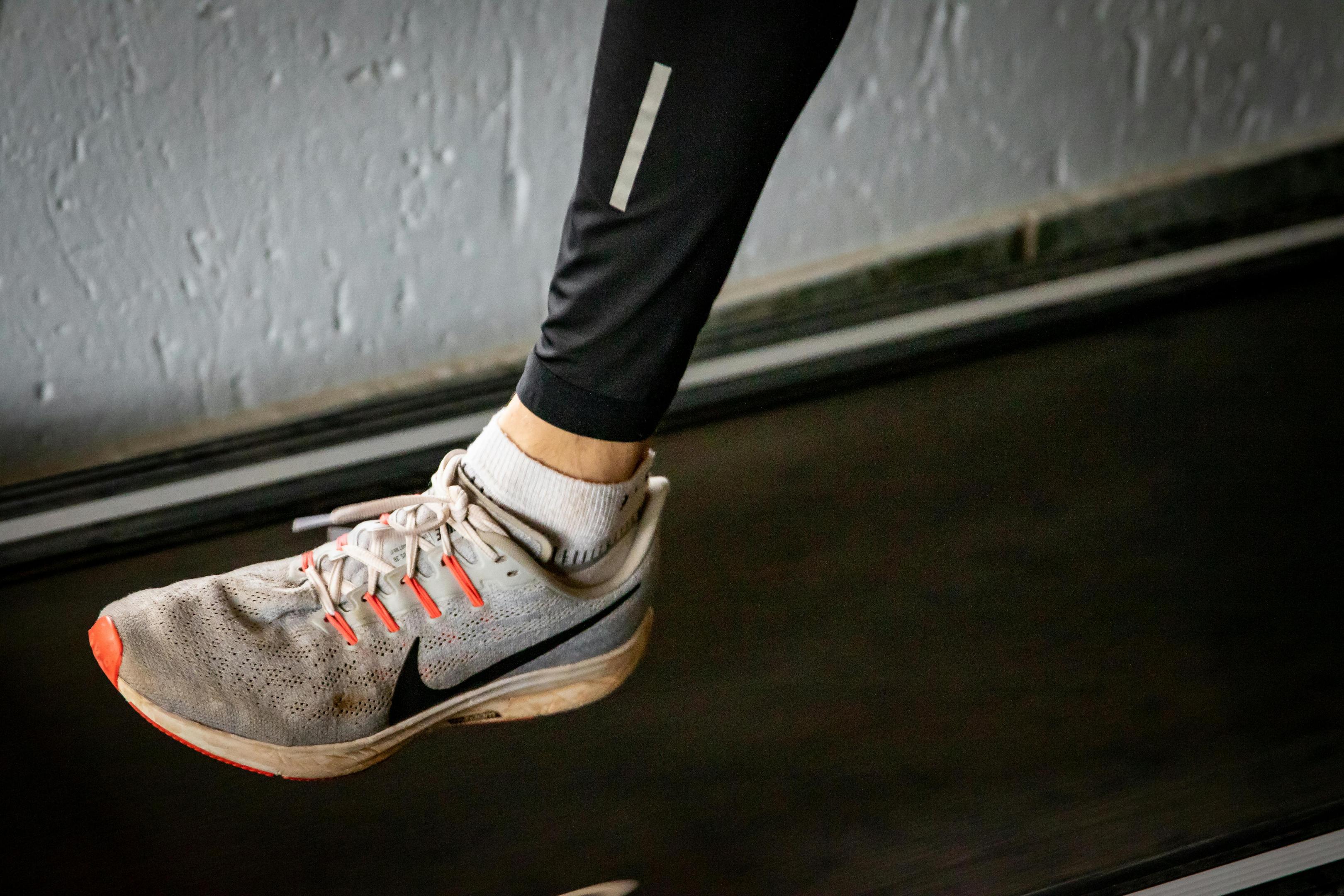
Most people asking if VKTRY insoles work are not training for the NFL. They are people with sore heels, knee pain, or foot fatigue who want a better insole for daily life. For that use case, Z-Liner insoles are a more practical fit.
Z-Liner uses a self-customizing design that molds to your foot over 3 to 5 days of wear. It provides structured arch support for all arch types, including flat feet. The cushioning reduces pressure on the heel and forefoot when standing or walking on hard surfaces. Z-Liner insoles are breathable, moisture-wicking, and machine washable, so they are easier to maintain than other insoles across multiple pairs of shoes.
Choose VKTRY If:
-
You are an elite athlete focused on speed, power, and explosiveness
-
You train multiple times per week in sport-specific athletic shoes
-
You want a rigid, carbon fiber performance feel and can handle the break-in period
Choose Z-Liner If:
-
You want supportive, comfortable insoles for everyday wear
-
You need relief from foot fatigue, plantar fasciitis, shin splints, or pain on hard surfaces
-
You want an insole that adapts to your foot without a long, painful break-in
-
You need something breathable, washable, and easy to move between shoes
Try Z-Liner with a Satisfaction Guarantee
Frequently Asked Questions
Do VKTRY Insoles Help You Jump Higher or Run Faster?
VKTRY reports a 1.6-inch average jump improvement and a speed gain of around 0.05 seconds in timed drills. Research on carbon plate footwear supports measurable gains in running economy and power for some athletes. Results vary based on sport, shoe type, and body weight.
Are VKTRY Insoles Good for Plantar Fasciitis?
The heel cradle and arch support may redistribute pressure and reduce impact for some users with plantar fasciitis. But the rigid carbon plate is not a comfort-first design. Most users managing plantar fasciitis or heel pain do better with a softer, more cushioned insole that handles shock absorption without extra stiffness.
How Long Does It Take to Break In VKTRY Insoles?
VKTRY recommends 3 to 5 light training sessions before the insoles feel settled. Firmer insoles always take longer to adapt to than softer options. Some users adjust within a week. Others find the stiff feel stays throughout the life of the pair.
How Long Do VKTRY Insoles Last?
VKTRY insoles are rated for about one year with regular use. User reviews give durability a 9 out of 10 rating on average. Under heavy daily use, some pairs show wear within 3 to 6 months. Taking good care of them by rotating between shoes extends their life.
Are VKTRY Insoles Good for Non-Athletes?
Generally not. Unless you specifically want a rigid performance feel, most non-athletes are better served by a comfort-first insole with more cushioning, flexibility, and easy daily wear.
Do Insoles Actually Help Reduce Fatigue?
Yes. The right insoles improve arch support, cushion pressure points, and distribute load more evenly across the foot. A 2017 systematic review in the British Journal of Sports Medicine found that foot orthoses reduce lower limb injury risk and stress in active populations. Results depend heavily on insole fit and design.
What Is a Comfortable Alternative to VKTRY Insoles?
Z-Liner insoles are built for users who want support and cushioning without the stiff carbon plate feel. They self-customize to your foot shape, work for all arch types, and hold up well for everyday wear, running, and standing. They also come with a satisfaction guarantee.
The Bottom Line: Do VKTRY Insoles Work?
VKTRY insoles work for the athlete they were built for. If you train hard, want explosive performance, and can handle the break-in period, the carbon fiber technology delivers a feel that no foam insole can replicate. The reported injury protection data is worth noting, even if it is brand-reported rather than independently verified.
For most people, VKTRY is too rigid and too sport-specific. If you want everyday support, relief from pain, or running longer without sore feet and knees, a comfort-first insole fits better.
Z-Liner insoles offer that: structured arch support, adaptive cushioning, and daily wearability without the carbon plate stiffness.

