
Akusoli Insoles Review: Honest Take from Real Users

In this article, we give you a full breakdown and guide to Akusoli insoles.
Your feet hurt. Maybe they've been hurting for months. You stand all day, or walk long distances, and by the end of your shift, you're done. So when you see Akusoli insoles promising all-day foot comfort through magnetic elements and acupressure cushions, it's hard not to be curious.
But most Akusoli insoles reviews online don't tell you the full story. Some skip the science. Others ignore the complaints. And almost none of them compare it honestly against a stronger alternative for people who need real arch support and foot pain relief.
This review does all three. We cover how Akusoli shoe insoles work, what real users actually experience, and why people with flat feet, plantar fasciitis, or chronic foot pain often end up switching to Z-Liner insoles instead. Read this before you buy.
What Are Akusoli Insoles?
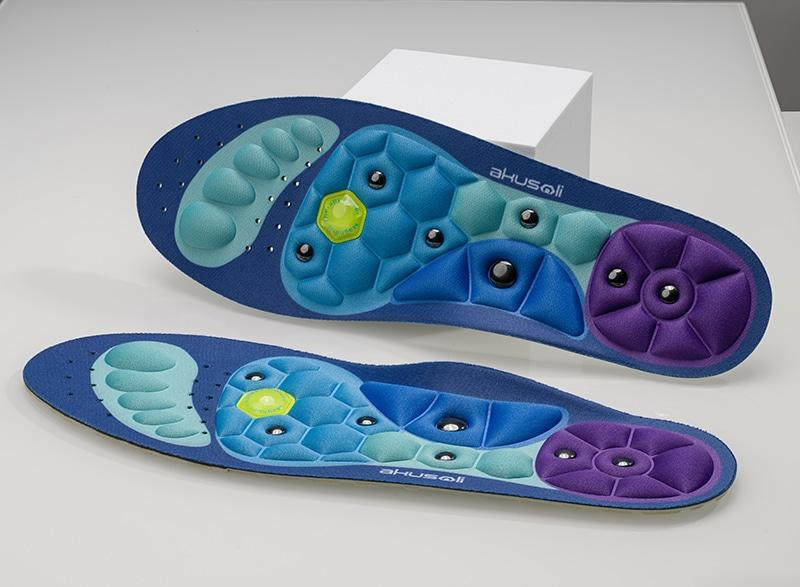
Akusoli insoles are shoe insoles designed to cushion the foot and help spread body weight during standing and walking. The product is built around three main features: magnetic elements, acupressure cushions with raised nodes, and a trim-to-fit design.
The insoles include an antimicrobial silver coating to reduce foot odor during extended wear. They are priced at approximately $29.99, though the brand advertises a limited-time discount.
How Akusoli Says the Insoles Work
Akusoli insoles are designed around two ideas from traditional treatments: acupressure and magnetic therapy. The raised nodes are meant to target key pressure points on the foot. The magnetic elements are said to improve blood circulation and alleviate pain.
Who Akusoli Insoles Are Made For
Akusoli insoles target people who spend long hours on their feet. Think nurses, warehouse workers, and retail staff dealing with foot fatigue. The brand also targets people managing heel pain, foot discomfort, or plantar fasciitis.
Akusoli insoles stand out for their trim-to-fit approach. Rather than matching your exact shoe size, you cut them down to fit different shoes. This flexibility is useful, though it means the fit is less precise than a size-specific insole built to relieve pain.
What Do Real Akusoli Insoles Reviews Say?
Customer experiences with Akusoli insoles are split hard. Some users report immediate relief and positive feedback for daily wear. Others find the insoles uncomfortable or ineffective once the break-in period ends.
What Users Seem to Like
The ordering process has consistently received positive feedback from buyers. Users also report:
-
The trim-to-fit design works across different shoes, including dress shoes and casual footwear
-
Some buyers experience reduced pain and less foot fatigue after the first few days
-
The antimicrobial properties help with foot odor during extended periods of use
-
The lightweight feel suits people who don't want heavy cushioning materials underfoot
Customers praise the feel for prolonged standing. Some report significant relief for conditions like plantar fasciitis and heel spurs. For those buyers, the acupressure nodes provide targeted relief after long periods on tired feet.
Where Complaints Show Up
Many users find the acupressure nodes uncomfortable, especially during the initial adjustment period. Main concerns include:
-
Initial discomfort from raised nodes that some feet never fully adapt to
-
Mixed results across different foot shapes. The insoles work for some arch types but not others.
-
Upsell friction at checkout that some buyers find pushy
-
Comfort variation by shoe types. The same pair can work in sneakers and be useless in work boots.
Some users also report that insoles wear down faster than expected. This is common across cushioning materials, but it is worth noting if you plan to buy multiple pairs or rotate them across different shoes.
The return policy gives a 60-day window. Customers must contact Akusoli support within 60 days to get an RMA number, then ship the item back at their own cost. The refund process begins after the item is received and inspected.
Why Review Quality Matters More Than Star Count
A high average rating doesn't tell the full story when reviews are split across different foot conditions. Someone with high arches and someone with flat feet will have opposite experiences with the same insole. For overall foot health decisions, look at reviews from people with your specific foot type and activity level.
Do Akusoli Insoles Work for Foot Pain Relief?
They may feel comfortable for some users. But "working" depends entirely on what the buyer expects.
Comfort, arch support, and medical effectiveness are three different things. Akusoli insoles are designed to alleviate foot fatigue and provide cushioned support. Some users do get that. But not all buyers find Akusoli insoles effective for better foot health. It depends heavily on what foot issues you are dealing with.
Comfort vs. Pain Relief: Not the Same Thing
Soft cushioning reduces impact. Arch support changes how body weight loads across the foot. An insole that feels soft doesn't automatically provide the structured arch support needed for plantar fasciitis, flat feet, or chronic foot pain.
Users looking for effective pain relief from specific foot conditions often find that Akusoli insoles provide only partial help. Comfort and significant pain relief are different outcomes.
What Science Says About Magnetic Insoles
The National Center for Complementary and Integrative Health (NCCIH) states that no conclusive evidence supports static magnets for pain relief. A systematic review published in CMAJ reviewed randomized controlled trials and found that the evidence does not support static magnets as an effective treatment for pain. The NCCIH classifies magnetic therapy as a complementary approach, not a proven medical intervention.
The concept has roots in traditional wellness practices. But limited scientific validation means buyers should not expect Akusoli insoles to alleviate discomfort from plantar fasciitis or heel pain through magnetic elements alone. Claims that they improve blood flow in the foot are not supported by clinical evidence.
When Insoles May Help and When to See a Podiatrist
Insoles regularly provide relief for foot fatigue, mild foot discomfort, and shock absorption. Physical therapy and professional medical evaluation are often needed for serious foot issues. If your feet hurt consistently, consult a healthcare professional before relying on insoles alone.
Akusoli Insoles Pros and Cons
Pros:
-
Trim-to-fit design with printed guidelines works across most shoe types
-
Antimicrobial silver coating reduces foot odor during extended wear
-
Some users report significant relief for daily wear and prolonged standing
-
Entry-level price point ($29.99) with a 60-day return window
Cons:
-
Many users find the acupressure nodes uncomfortable during the break-in period, more so than other insoles
-
Magnetic therapy claims lack conclusive scientific support per the NCCIH
-
Effectiveness varies by foot shape, arch type, and specific foot conditions
-
Return shipping costs fall on the customer
-
Not built around structured arch support. Buyers with flat feet or heel pain may need more.
Who Might Actually Like Akusoli Insoles?
Akusoli insoles are a reasonable fit for casual users who want a low-cost insert for daily walking, people curious about acupressure or traditional treatments, and shoppers testing a low-commitment option before investing in custom orthotics.
What do Akusoli insoles offer for general users? Mostly entry-level cushioning and a low buy-in price. The insoles work best when the goal is general foot comfort rather than targeted relief for a specific foot condition.
People who spend long hours on their feet, deal with flat feet, or need dependable arch support are likely to find Akusoli insoles fall short. The magnetic and acupressure-based design does not replace the structured, fit-based support that foot fatigue and chronic foot pain require.
Why Many Buyers Choose Z-Liner Instead
Buyers who want direct foot support often prefer Z-Liner insoles because the product is built around fit, cushioning, and arch support. Z-Liner insoles are self-customizing and form to your arch shape over time, following your foot's natural contours. That matters because no two foot shapes are the same.
Insoles that don't match your arch can create new pressure points rather than providing relief. Z-Liner avoids this by adapting to the foot rather than asking the foot to adapt to it.
Z-Liner features for support-focused buyers:
-
Self-customizing arch support that adapts to different foot shapes over time
-
Shock absorption is designed to reduce impact on heel pain and tired feet
-
Breathable, anti-bacterial, machine-washable construction for daily use
-
Fits multiple shoe types, including sneakers, dress shoes, and work boots
-
Satisfaction guarantee for added buying confidence
Akusoli offers tiered pricing with discounts for multiple pairs, though buyers seeking maximum comfort from a structured insole often find Z-Liner's self-customizing fit more effective long-term. Z-Liner is priced at $29.99, and for people dealing with plantar fasciitis, flat feet, or foot pain from prolonged standing, the support-first design is a more direct solution.
Shop Z-Liner Insoles for Better Arch Support
Akusoli Insoles vs. Z-Liner: Which Is Better for Everyday Support?
|
|
Akusoli |
Z-Liner |
|---|---|---|
|
Core angle |
Magnetic therapy and acupressure |
Self-customizing arch support |
|
Fit method |
Trim-to-fit, fixed shape |
Forms to your arch shape over time |
|
Cushioning |
Soft nodes, general padding |
Targeted shock absorption |
|
Best for |
Casual comfort, curiosity-driven buyers |
Support-focused, active daily use |
|
Science backing |
Limited (magnetic claims) |
Arch support and cushioning are evidence-based |
|
Return policy |
60-day window, buyer pays return shipping |
Satisfaction guarantee |
Best Choice for People Who Stand All Day
People who spend long hours on their feet need consistent arch support, not just cushioning. Insoles that flatten out during the day make foot fatigue worse over time. Z-Liner's self-customizing fit holds its shape better during extended periods than foam-based removable insoles with no structural support.
Best Choice for Plantar Fasciitis and Heel Pain
If heel pain or plantar fasciitis is the main concern, look for an insole that combines arch support and shock absorption. According to research published in PLOS ONE, viscoelastic shoe insoles can reduce shock wave amplitudes at the heel during walking. An insole that distributes load across the foot properly can reduce strain on the plantar fascia. Z-Liner's design targets this directly.
Best Choice If You Want Zero Break-In Time
Akusoli insoles require patience. The acupressure nodes feel awkward to many people at first, and the feet adapt at different rates. Z-Liner's self-customizing design skips that entirely. The insole shapes to your foot rather than asking your foot to adjust to it.
What to Look For Before Buying Any Insole
Whether you're comparing Akusoli, Z-Liner, or other shoe insoles, these features affect foot health most:
-
Arch support matched to your foot shape. High arch, neutral arch, and flat feet need different designs.
-
Cushioning without bulk. Insoles that are too thick change the fit of your shoe.
-
Breathability. Trapped heat and moisture make foot odor worse over time.
-
Durability. Cushioning materials compress with daily use. Most insoles need replacing every 6 to 12 months.
-
Fit across shoe types. An insole that works in sneakers may not fit dress shoes.
-
Honest return policy. Buyer-pays returns are not the same as a satisfaction guarantee.
-
Claims that match evidence. Comfort claims are testable. Magnetic therapy claims are not.
If you have a specific foot condition like plantar fasciitis, flat feet, or chronic heel pain, ask a healthcare professional whether over-the-counter insoles are right for you. Custom orthotics may be more appropriate for some foot conditions, though they come at a significantly higher cost.
See Z-Liner's Full Features and Guarantee
Final Verdict on Akusoli Insoles Reviews
Akusoli insoles are worth a try if you want a low-cost option and are curious about acupressure-style comfort. Some users like them for daily wear, and positive feedback on the ordering experience is genuine.
But if foot pain relief, dependable arch support, or all-day foot comfort for prolonged standing is your main goal, these insoles probably won't get you there. The magnetic therapy claims don't hold up to the evidence. The acupressure nodes cause real discomfort for many users. And the trim-to-fit design doesn't adapt to your actual foot shape.
Z-Liner solves a more specific problem: building support around how your foot is actually shaped. Same price point, better feature set, satisfaction guarantee. For anyone serious about long-term foot health and overall well-being, that's the cleaner buy.
This article is for informational purposes only and does not constitute medical advice. If you experience persistent foot pain, consult a qualified healthcare professional.

