
Innersoles for Work Boots: Do They Actually Make a Difference?

Your feet carry your entire body through every shift. By hour six, the aching starts. By hour ten, it is hard to think about anything else.
Most workers blame their boots. The real problem is usually what is inside them. Factory insoles are thin foam pads that flatten within weeks. Once they go flat, you have no cushioning, no arch support, and nothing absorbing the impact of every step on concrete. Your feet, knees, and lower back pay for it by the end of the day.
The good news is that the right inner soles for work boots change this. Quality insoles add targeted shock absorption, proper arch support, and heel stability that stock inserts simply do not provide. Workers who switch to a well-built insole consistently report less foot fatigue, less heel pain, and more energy at the end of a shift.
This guide covers what to look for, when insoles help the most, and how to find the right pair for your boots and your job.
Why Work Boots Leave Your Feet Wrecked by Midday
Work boots are built for protection first. Comfort is rarely the priority.
Factory insoles are thin foam pads made to fit the widest range of feet possible. They flatten fast and offer almost no arch or heel support. After a few weeks, you are walking on the boot's midsole.
Hard floors make this worse. According to the American Podiatric Medical Association, walking on hard surfaces like concrete increases the impact force on feet and joints. People with flat feet, high arches, a low arch, or a medium arch each need different support levels. A generic foam insert delivers none of it.
What Problems Can Innersoles for Work Boots Fix?
Quality work boot insoles address several common complaints:
-
Foot fatigue from long hours on concrete or warehouse floors
-
Heel pain from poor cushioning and no deep heel cup
-
Arch soreness from insoles that leave the arch unsupported
-
Pressure points from stiff boots pressing the wrong spots
-
Sweaty, smelly boots from stock inserts that trap heat
A proper work boot insole supports the entire foot. A cheap insert often only cushions a thin strip connecting the heel to the forefoot. That partial coverage is why sore feet return by midday. Choosing insoles with full-foot coverage is what makes all the difference for workers on their feet all day.
How Innersoles for Work Boots Actually Work
How shock absorption protects you on hard surfaces
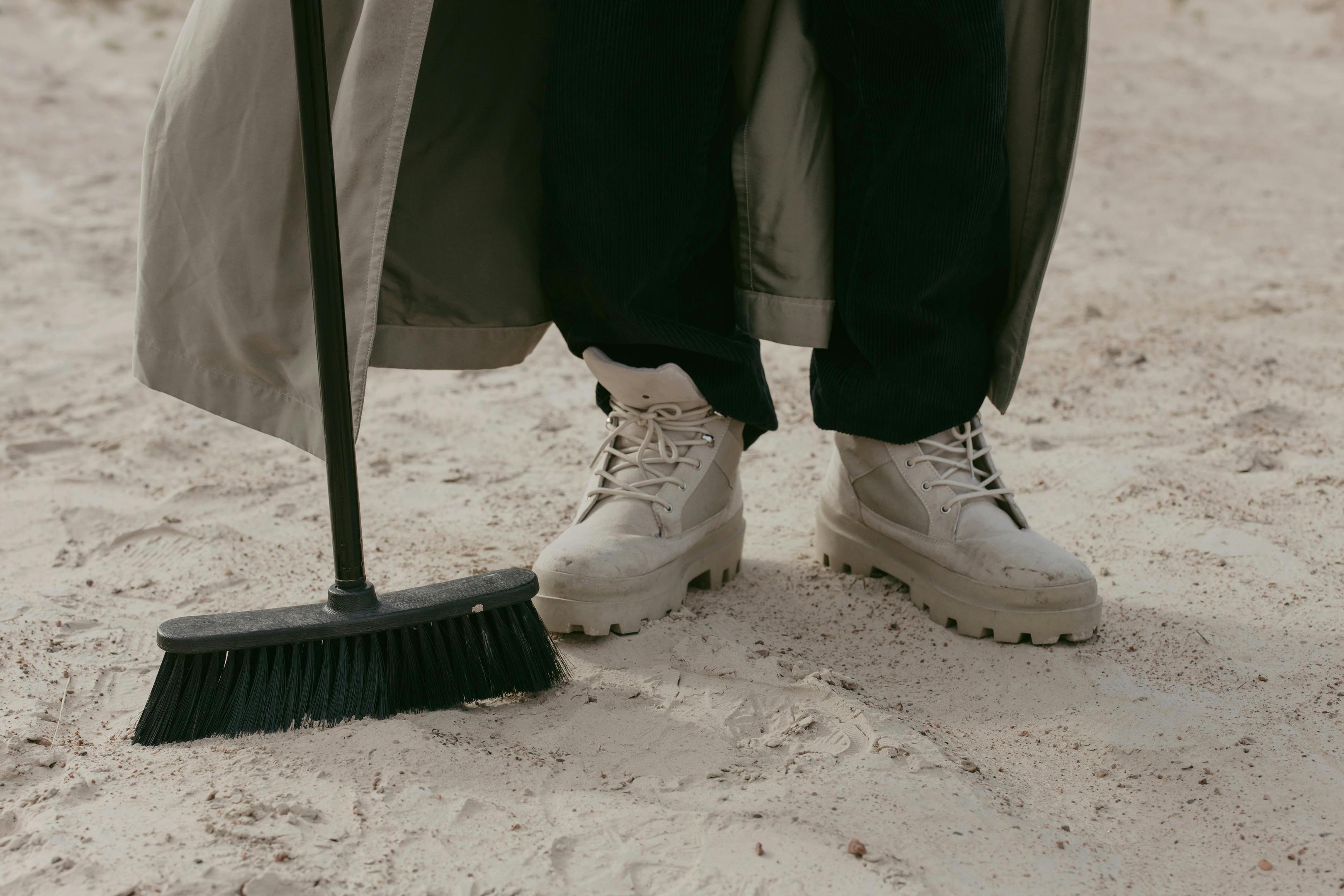
Every step on concrete sends force up through the heel and into your joints. Quality boot insoles with layered shock absorption compress on impact and spring back to provide support. Flat foam flattens under pressure and stays flat, often within weeks of daily use.
Gel technology works differently. Gel spreads impact across a wider surface area instead of letting it travel straight up the leg. For workers who stand in one spot for long periods, gel-based cushioned insoles can provide immediate relief from heel and ball-of-foot pressure.
Memory foam is another option. It molds to your unique foot shape and provides an extra layer of targeted cushioning. However, memory foam tends to retain heat, which can be a drawback in steel-toe boots or other enclosed work shoes.
How arch support insoles affect your whole body
Arch support insoles do more than ease foot pain. When the arch collapses inward, which is common with flat feet or overpronation, the knee rotates and the pelvis tilts. The National Library of Medicine has linked poor foot alignment to increased knee and lower back pain over time, placing strain on the entire body.
A structured arch support insole keeps the foot in proper alignment. This reduces strain on the plantar fascia, the band of tissue running along the bottom of the foot. Workers dealing with plantar fasciitis pain often find that targeted support along the arch and heel helps reduce inflammation and alleviate pressure throughout the day.
How a deep heel cup stabilizes your heel
A deep heel cup holds the heel's natural fat pad directly under the heel bone. Without it, the fat pad shifts toward the outer edge of the heel on impact. This reduces natural cushioning and increases heel pain with every step.
Boot insoles with a proper heel cup improve how the foot absorbs each step. For workers managing plantar fasciitis or chronic heel pain, a deep heel cup also helps with reducing inflammation by limiting how far the fat pad shifts on impact.
How breathability reduces foot issues on long shifts
Steel-toe boots trap heat fast. When insoles lack airflow, moisture builds up, and skin irritation follows. Insoles with a porous mesh top cover and open honeycomb construction allow air to move through, keeping feet dry across a full shift.
Heat moldable insoles offer a more personalized fit by conforming to your unique shape when warmed. That said, they require a setup process. A self-customizing insole that molds through wear, like the approach Z-Liner uses, can provide a similar custom fit without the added steps.
Not sure which insole is right for your work boots? Talk to the Z-Liner team for a recommendation.
When Innersoles for Work Boots Make the Most Difference
Standing all day on concrete or hard floors
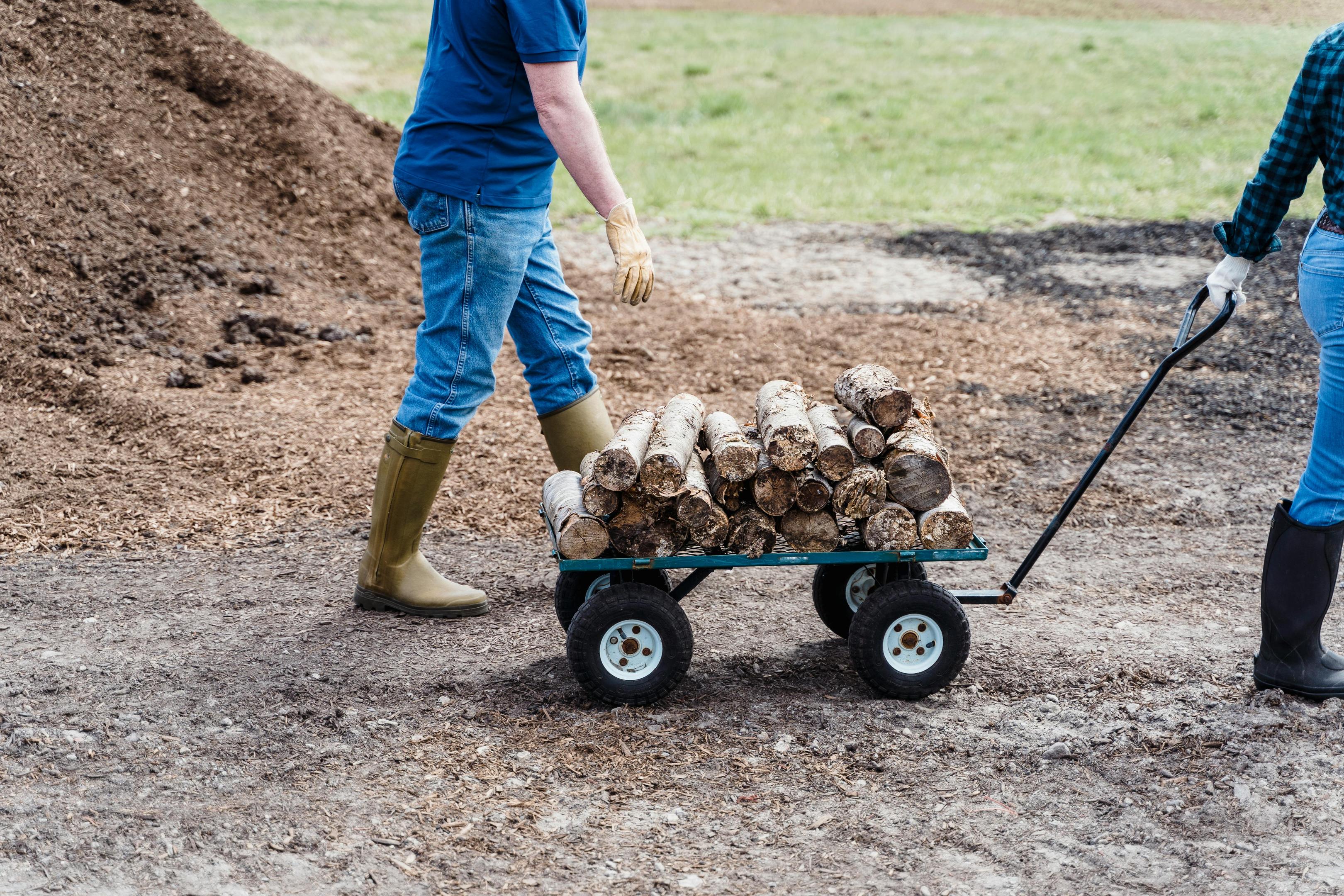
Workers in warehouses, manufacturing, and retail take thousands of steps daily on unforgiving surfaces. Research published in Applied Ergonomics found that cushioned insoles significantly reduced discomfort in workers who stood on hard floors for extended periods. Anti-fatigue insoles with layered construction are built to fight foot fatigue far better than flat foam inserts. The perfect insole for standing work combines cushioning, arch support, and shock absorption in one low-profile design.
When boots feel stiff, or feet ache by midday
Stiff work boots focus pressure at specific contact points. Heavy duty insoles with a cushioned base spread that load more evenly across the entire foot. This reduces achy feet and hot spots that build up through a shift.
When stock inserts flatten quickly
Standard foam inserts lose their shape fast under daily use. According to the American College of Foot and Ankle Surgeons, worn-out insoles lose their ability to support and cushion, which contributes to foot pain. Replacing them with polyurethane or high-density EVA shoe inserts gives you support that holds up for months.
When managing plantar fasciitis or persistent heel pain
Insoles with targeted support along the arch and a firm heel cup can help reduce inflammation and provide pain relief for workers managing plantar fasciitis. This is not a medical treatment. But insoles are commonly used alongside treatment to ease day-to-day discomfort.
When Insoles Will Not Help
Insoles do not fix every foot problem. If your work boots are the wrong size, insoles will make a crowded fit worse. If the boot shape does not match your foot shape, no amount of cushioning solves that.
Insoles that are too thick reduce boot volume and create pressure across the top of the foot. For severe or ongoing foot pain, see a qualified professional. Persistent heel pain, numbness, or joint pain may need a diagnosis before an insole can help.
What to Look for in the Best Insoles for Work Boots
Good work boot insoles should feel supportive, stable, breathable, and low-profile enough not to crowd the boot. Here is what to look for when choosing insoles for demanding work environments.
Arch support: Match the insole to your arch type. Flat feet need firmer, structured support that fills the gap under the arch. High arches need cushioning that follows the foot's distinct curve. A low arch needs specific support to prevent collapse. A medium arch works well with moderate support and a cushioned top layer.
Not sure of your arch type? Use the wet test. Wet the sole of your foot, step onto a dry surface, and check the imprint. A full footprint suggests flat feet. A thin strip connecting heel to ball suggests high arches.
Deep heel cup: Look for a heel cup that wraps the heel firmly. This stabilizes the natural fat pad, helps reduce pressure at the heel, and improves how the foot absorbs each step.
Shock absorption: Insoles with a firm base and a softer top layer outperform single-material foam on hard surfaces. Look for materials that return to shape after compression to provide support consistently.
Durable materials: Polyurethane resists compression under heavy use better than standard foam. High-density EVA is a solid alternative. Both hold their structure longer in demanding work environments.
Breathability and odor control: Moisture-wicking top covers and anti-microbial treatments keep feet dry and reduce odor. Machine-washable insoles are a practical choice for workers logging long hours.
Proper fit: Remove the stock insert first. The right pair should sit flat, not bunch at the toe, and leave enough room for your foot to sit naturally inside the boot. A proper fit ensures the insole can provide support across the entire foot rather than only a thin strip.
How to Choose the Right Pair of Insoles for Your Work Boots

Start with your main problem
Heel pain points toward a deep heel cup and firm heel support. Tired feet point toward shock absorption and extra padding. Sweaty boots point toward breathability and odor control. Arch soreness or plantar fascia pain points toward structured arch support insoles with targeted cushioning.
Match the insole to how you work
Standing in one spot benefits most from anti-fatigue insoles with cushioned bases. Walking and climbing across a job site needs both shock absorption and lateral stability. Mixed environments need a balance of all three. The ideal insole is the one that fits both your foot health needs and your work conditions.
Look for a personalized fit over a generic one
Generic shoe inserts are built for the average foot, not your unique foot shape. Insoles that conform to your unique shape over time, whether through heat molding or self-customizing materials, deliver enhanced comfort and specific support that flat inserts cannot. Advanced technology in modern insoles makes a custom fit more accessible than it used to be, without a podiatrist visit or high cost.
Replace before the support disappears
Most quality insoles last six to nine months under heavy daily use. Support fades gradually, and you may not notice until foot fatigue and heel pain return. Replace them before they bottom out completely.
Ready to find the right fit? Visit Z-Liner's size chart to get started.
Frequently Asked Questions
Should you put innersoles in work boots?
In most cases, yes. Work boots rarely ship with insoles that offer real support. Replacing the stock insert with a quality boot insole helps fight foot fatigue and keeps you comfortable through a full shift.
Do insoles help if you stand all day?
Yes. Anti-fatigue insoles are built to reduce foot fatigue by spreading pressure more evenly and absorbing shock with each step. The difference is usually noticeable after the fourth or fifth hour of a shift.
Are insoles good for steel-toe boots?
Yes. Steel-toe boots are stiffer than regular work shoes and concentrate pressure on specific areas. A low-profile cushioned insole improves comfort without affecting fit or safety compliance.
How long do work boot insoles last?
Quality insoles under high-impact daily use typically last six to nine months. Replace them when the cushioning feels flat or foot fatigue and heel pain return.
Can insoles help with plantar fasciitis pain?
Insoles with targeted arch support and a firm heel cup reduce strain on the plantar fascia and help reduce strain on the surrounding tissue. They are commonly used alongside clinical treatment for plantar fasciitis. For severe or worsening pain, consult a healthcare provider.
Can insoles make boots fit too tight?
Yes, if the insole is too thick. Always remove the stock insert before adding a replacement. A proper fit means the heel sits flat and there is enough room across the top of the foot.
Are Innersoles for Work Boots Worth It?
For most workers, yes. The issue is not usually the boots. It is the thin foam insert inside them that flattens in a few weeks and fails to provide support where the foot actually needs it.
The right insoles absorb shock, support your arch, stabilize your heel, and keep your feet dry through a full shift. Good foot health starts with proper alignment and cushioning, and the right pair of insoles can make a noticeable difference in how your legs and lower back feel by the end of the day.

