
Arch Support Insoles for Work Boots: What to Look For Before You Buy

You lace up your boots, head into your shift, and by midday, your feet are screaming. Your heels ache. Your knees feel it. By the end of the day, you're just counting down the minutes. Sound familiar?
Most workers blame their boots. The real problem is almost always the insole inside them. Factory insoles are thin foam built to fill space, not support your feet. After a few weeks of hard use, they flatten out and stop doing anything useful.
The right arch support insoles for work boots change that. They match your foot arch, cushion impact on hard surfaces, stabilize your heel, and hold their shape through a full shift. The difference shows up fast: less soreness, less fatigue, and more energy left at the end of the day.
This guide breaks down exactly what to look for before you purchase. Whether you're a man or woman on your feet all day, these are the six features worth your time and money.
Why Do Work Boots Need Better Arch Support Than Regular Shoes?
Most work boots and work shoes are built to protect your feet on the job. Steel toes, slip resistance, ankle support. Comfort and arch support are usually an afterthought.
Factory boot insoles are often thin foam that flattens within weeks of daily use. On a warehouse floor or construction site, you stand and walk with full body weight through your feet for 8 to 12 hours on hard surfaces. That's a different demand than a casual walk in hiking shoes or regular sneakers.
Research published in the Journal of Occupational and Environmental Medicine links prolonged standing on hard flooring to increased musculoskeletal discomfort, especially in the feet and lower back. Poor support leads to foot fatigue, heel pain, and pressure that travels up through your ankles, legs, knees, and hips. Wearing insoles designed for work conditions closes the gap between what your boots offer and what your lower body actually needs.
What to Look for In Work Boot Insoles When Considering Arch Support

Most buyers feel a soft insole in a store, decide it's comfortable, and buy it. Three weeks later, their feet hurt more than before. Here's what to look for instead.
1) Do the Insoles Match Your Arch Type?
The three common arch types are flat feet (low arch), neutral arch, and high arch. Each needs a different level of support.
A quick at-home check: wet the bottom of your foot and step onto cardboard. If you see almost the full sole, you likely have flat feet. A clear curve on the inner edge means a neutral or high arch.
More arch height in an insole is not always better. For flat feet, a gradual lift that guides the foot arch into alignment works better than an aggressive one. For high arches, the focus shifts to cushioning under the arch, not pushing it higher. Good support means matching your specific foot arch, not just adding more of it.
2) Do They Provide Actual Support?
There is a real difference between cushion and structure because softness doesn't always mean support. In fact, they can work against each other. Soft memory foam might raise your comfort level at first. But it compresses under body weight, and a fully compressed insole gives no more structural support than wearing nothing at all.
What you want is a balanced, supportive insole. Firm enough to hold shape through a full shift, with enough cushioning to absorb shock at the point of impact. That balance is what delivers all-day comfort without discomfort setting in by midday.
3) Do They Have Enough Shock Absorption for Hard Surfaces?
Concrete and warehouse floors send impact straight up through your feet. Without extra support, your muscles absorb that shock instead. Materials like EVA foam or structured pods compress on impact and return to form, distributing pressure across the foot instead of concentrating it at the heel.
Look for zoned cushioning. More shock absorption under the heel and forefoot, where impact is greatest. Firmer support under the arch. This protects your muscles and joints and keeps your performance steady through long days.
4) Will They Fit Your Work Boots Without Crowding the Toe Box?
Most buyers don't think about fit until the insole is already in and their toes feel jammed. Work boot insoles need to account for a few things:
-
Steel-toe space: Safety footwear has less volume at the front. A thick insole pushes toes forward.
-
Boot volume: Heavier work boots have less interior room than casual shoes.
-
Sizing: Trim-to-fit insoles can be cut to length. Exact-size insoles fit better but need more care at purchase.
The fix for most cases: remove the factory insole first. Most original insoles are thin fillers. Swapping them out for a quality replacement usually solves the fit problem entirely.
5) Are the Materials Breathable and Durable?
A work boot is already a warm, enclosed space. Hours of physical work create moisture that builds up fast. That's how odor and fungal issues start.
Good work boots use breathable fabric and anti-microbial treatment. Structural designs like honeycomb lattices allow air to circulate through the insole during wear. Thin, flat shoe inserts without this airflow will break down faster and need replacing sooner. An insole that permanently compresses within 60 days is not built for the job.
Ready to upgrade your work boots? We guarantee that Z-Liner Insoles checks all the boxes when you're considering all the factors above.
The Features that Matter Most for Workers Who Stand All Day
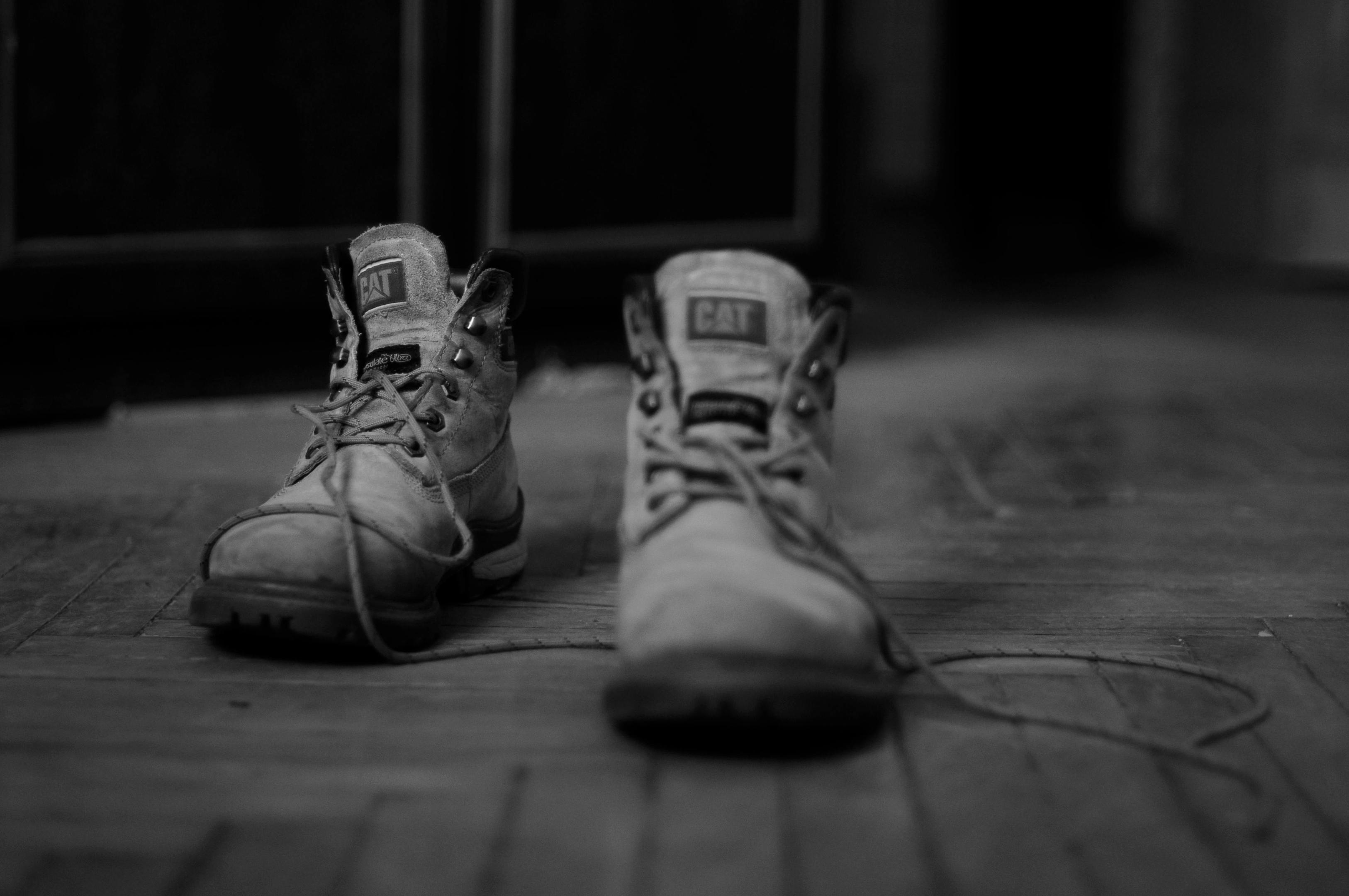
If you're on your feet for eight or more hours in construction, warehousing, landscaping, or healthcare, here is the short list of what matters most:
-
Arch support that matches your foot type and holds shape all day
-
Heel stability to reduce lateral foot movement in the boot
-
Shock absorption for hard floor surfaces
-
Breathability to manage moisture and reduce odor
-
Low profile so the insole fits without crowding the toe box
-
Durability, so it lasts through repeated daily use without flattening
Arch support and heel stability do the most work during long shifts. Don't compromise on either.
How Can You Tell When an Insole Is Wrong for Your Work Boots?
Sometimes the signs show up fast. Other times, you adapt to a bad fit without realizing the insole is the source of the problem. Watch for:
-
Toes feeling cramped or pushed forward
-
Heel lifting or slipping inside the boot
-
New hot spots or blisters in areas that were fine before
-
Arch pressure that feels sharp or too aggressive in the first week
-
The insole wrinkling or visibly compressing after a few weeks
-
Boots are feeling tighter or less stable than before you added the insole
Any of these signals that the insole does not fit your foot or your boot. Sometimes sizing down or trimming the toe solves it. Sometimes you need a different insole altogether.
Are Custom or Self-Customizing Insoles Worth It for Work Boots?
Off-the-shelf insoles work for many people. But workers dealing with recurring heel pain, plantar fasciitis, or persistent foot fatigue often find that a generic insole doesn't fully treat the underlying foot issues or provide lasting relief.
Custom orthotics made by a podiatrist can cost between $200 and $800, plus office visit fees. That's not always practical, especially if you need something fast.
Self-customizing insoles are a middle option. They conform to your foot through wear, without molds or appointments. For most workers in demanding work conditions, a quality self-customizing insole can strengthen your comfort base and provide relief before you commit to full custom orthotics.
Why Z-Liner Insoles are a Top Choice When Choosing Arch Support Insoles for Your Work Boots

Z-Liner was built around one problem: custom orthotics work, but cost too much. Store-bought insoles are cheap but don't fit your foot. Z-Liner closes that gap with a self-customizing design at $29.99 a pair.
Here is what it offers for work boot use:
-
Self-customizing fit: The insole adapts to your arch shape and pressure points over a few days of regular wear. No molds, no appointments.
-
Zoned arch support: A stiffer material in the arch region provides structural support. It forms to your foot while maintaining its shape, which is different from foam that just flattens.
-
Hexagonal shock absorption: Structured pods compress and return to form on impact, spreading force across the foot instead of concentrating it at the heel.
-
Full-length design: Works in most work boots, including steel-toe models. Remove the factory insole first if the volume is tight. This protects the life of both the insole and your feet by reducing stress on pressure points.
-
Breathable and machine washable: Anti-bacterial, anti-microbial fabric with a honeycomb lattice that moves air through the insole during wear.
-
100% money-back guarantee: Z-Liner backs every pair.
Z-Liner ships free from their Texas warehouse and comes in full and half sizes for men, women, and youth.
Frequently Asked Questions (FAQs)
Can you use arch support insoles in steel-toe work boots?
Yes. Most full-length insoles fit in steel-toe boots. But steel-toe boots have less room at the front, so thick insoles can push toes forward. Remove the factory insole first. That step alone usually fixes the fit.
Should you remove the factory insole before adding a new one?
In most cases, yes. Factory insoles in work boots are typically thin foam with no real structure. Removing them gives you a better fit, more toe room, and avoids the boot feeling too tight from layering.
How do you know your arch type at home?
Wet the bottom of your foot and step on cardboard. A footprint that shows almost the full sole means flat feet. A clear curve on the inner edge means a neutral or high arch.
Are soft insoles or firm insoles better for work boots?
Firm insoles perform better over long shifts. Soft foam compresses under body weight and loses structure quickly. A balanced insole with a firm base and a cushioned top layer gives you both support and all-day comfort.
How long do work boot insoles usually last?
It depends on how often you wear them and what surfaces you work on. In demanding work environments, plan to replace insoles every 3 to 6 months. Any insole under daily hard-surface use will eventually compress and need replacing.
Can arch support insoles help with plantar fasciitis symptoms?
They can. Plantar fasciitis is inflammation of the plantar fascia, the tissue connecting the heel to the toes. Proper arch support reduces strain on that tissue by improving foot alignment and spreading pressure more evenly. Insoles are not a substitute for medical treatment, but they can reduce daily discomfort.
What is the difference between an insole and an insert?
An insole replaces the existing liner inside the shoe or boot and provides full-foot support from heel to toe. An insert is smaller and targets one area, like a heel cup or arch pad. For work boots, a full insole is the better choice. It addresses fit, support, and cushioning across the whole foot.
See Z-Liner's full FAQ on insoles vs. inserts.
Choose Support That Matches Your Feet and Your Job
The best insole is not the softest one or the most expensive one. It is the one that fits your arch type, sits properly in your boot, and holds its structure through a full shift.
Avoid choosing based on how something feels for the first five minutes. Focus on arch match, heel stability, shock absorption, and fit within your boot's volume. Those four things determine whether you stand and walk through your shift without soreness or fatigue dragging you down.
If you have been pushing through foot pain and chalking it up to long shifts, try a proper work boot insole before accepting that discomfort as the norm.
Shop Z-Liner Insoles | Visit the Z-Liner FAQ | Read the full work boot insoles guide

